
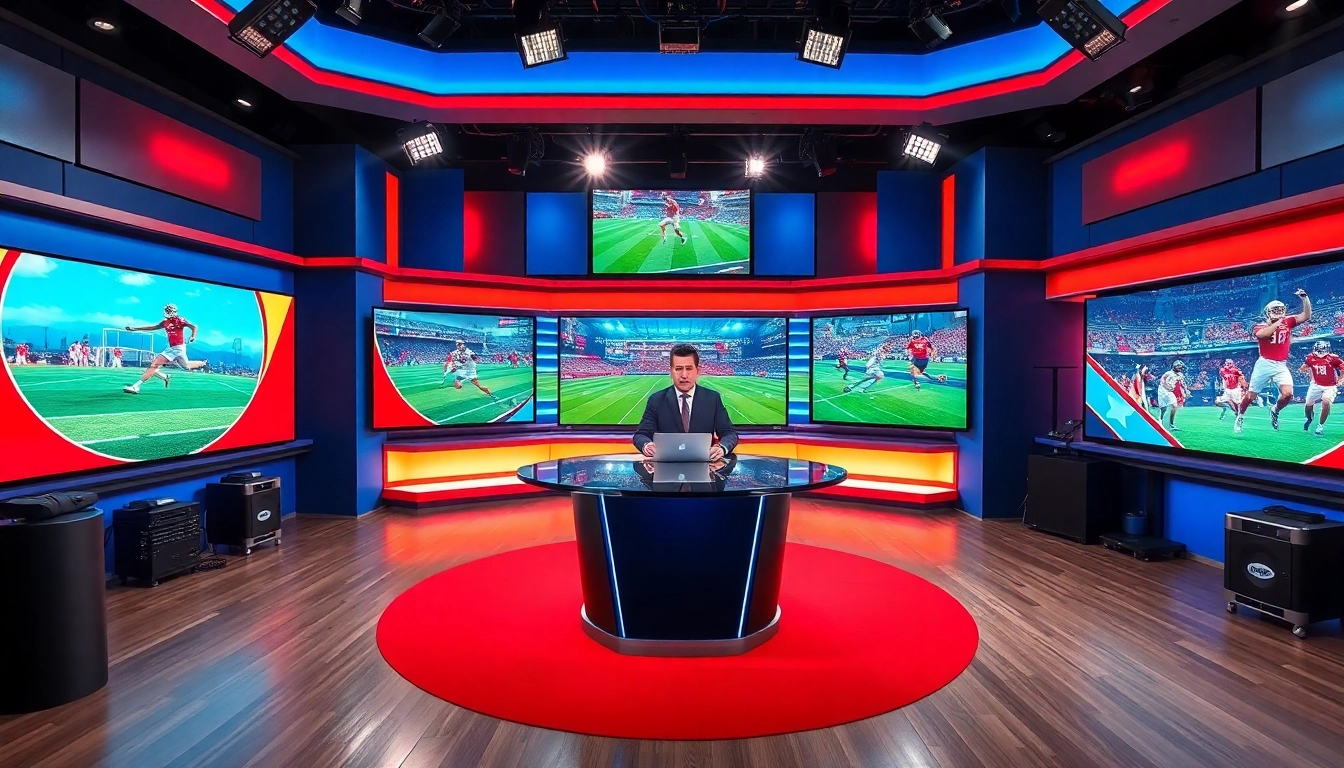
Understanding the Landscape of Sports Broadcasting
In recent years, the field of Sports Broadcasting has evolved significantly, driven by technological advancements and a shifting viewer landscape. Gone are the days when sports fans relied solely on traditional cable television to catch live games. Today, we find ourselves in a digital age where streaming platforms, social media, and innovative technologies have redefined how sports content is consumed. This article delves into the intricacies of sports broadcasting, examining its evolution, the key players involved, and the major trends shaping its future.
The Evolution of Sports Broadcasting
Sports broadcasting has a rich history that dates back to the early 20th century. Initially, games were broadcast on the radio, providing fans with play-by-play commentary to keep them informed of game developments. Televised broadcasts began in the late 1940s and early 1950s, revolutionizing the way audiences engaged with sports. Recent years have seen the rise of cable television, leading to the explosion of dedicated sports networks and substantial televised events. The introduction of high-definition (HD) and ultra-high-definition (UHD) broadcasting has further improved the viewer experience, emphasizing clarity in both visuals and sound.
Key Players in Sports Broadcasting
In today's competitive sports broadcasting landscape, several key players shape the industry. Major networks such as ESPN, NBC Sports, and CBS Sports have established themselves as leaders, investing heavily in both broadcasting rights and innovative programming. Additionally, streaming services like Amazon Prime Video, Hulu, and DAZN have entered the market, challenging traditional broadcasters and providing alternative viewing options. Furthermore, social media platforms such as Twitter and Facebook have also taken on a pivotal role, particularly in live event streaming and highlights sharing.
Trends Influencing Sports Broadcasting
As the broadcast environment evolves, several distinct trends are emerging. The increasing preference for on-demand content is reshaping broadcast schedules and the nature of sports programming. Additionally, the integration of interactive elements—such as live polling and fan engagement features—has made broadcasts more engaging. Another trend is the focus on personalized content delivery, allowing viewers to curate their own sports experiences based on preferences. Finally, with the rise of esports and virtual sports, sports broadcasting is expanding beyond traditional athletic competitions to include digital gaming experiences.
The Role of Technology in Sports Broadcasting
Technology plays an essential role in shaping the current practices and possibilities in sports broadcasting. As new tools and innovations emerge, they allow broadcasters to enhance viewer experiences significantly. From mobile applications to augmented reality, technology is at the heart of the broadcast revolution.
Innovations Shaping Sports Broadcasting
Among the key innovations impacting sports broadcasting, artificial intelligence (AI) deserves significant attention. AI-driven analytics offer viewers insights into game strategies and player performances in real time. Furthermore, virtual reality (VR) is changing how fans experience sports, enabling them to feel as though they are part of live events even from home. Drones are increasingly being employed for aerial shots, presenting fans with captivating views of games that were once impossible. Together, these innovations foster a richer and more immersive viewing experience.
Tools for Effective Sports Broadcasting
The tools available to broadcasters are continually evolving, offering new capabilities for delivering high-quality content. High-definition cameras, graphic overlays, and broadcasting software now enable elaborate graphics and real-time statistics to be integrated seamlessly into the viewing experience. Editing software allows broadcasters to produce highlights rapidly, keeping audiences engaged across various platforms. Mobile broadcasting units have also appeared, enabling on-location broadcasts with minimal setup, further enhancing the flexibility of content delivery.
Future Technologies in Sports Broadcasting
Looking ahead, several emerging technologies are expected to shape the future of sports broadcasting significantly. 5G networks promise faster streaming and higher-quality video for mobile viewers, providing an unparalleled experience for fans. Additionally, blockchain technology has the potential to revolutionize rights management and ticket sales in the sports industry. The rise of data-driven storytelling, where real-time data shapes narratives during broadcasts, will further shift how audiences engage with sports content.
Creating Compelling Content for Sports Broadcasting
Content remains king in sports broadcasting. With a plethora of channels available, it's crucial for broadcasters to create compelling, high-quality content that captivates audiences. This involves not only providing comprehensive coverage of live events but also employing effective storytelling techniques that resonate with viewers.
Storytelling Techniques in Sports Broadcasting
The best sports broadcasts go beyond the game itself, diving into athletes' personal stories, team dynamics, and cultural significance. Effective storytelling techniques can include character development, dramatic arcs, and emotional engagement. By highlighting players' journeys and their challenges, broadcasters can draw viewers into the unfolding narrative, creating a deeper connection with the content.
Visual Elements of Engaging Sports Broadcasting
Visual elements are critical in capturing and retaining audience attention. High-quality graphics, slow-motion replays, and expert commentary can significantly enhance the broadcast experience. Engaging visual storytelling often utilizes infographics to convey statistics creatively and offers a twist on traditional approaches. Broadcasters who prioritize aesthetic quality can stand out in an increasingly saturated marketplace.
Analyzing Audience Feedback for Improvement
One of the most effective strategies for improving broadcast content is to analyze audience feedback. This can come in the form of viewer ratings, social media interactions, and post-event surveys. By actively engaging with audience metrics, broadcasters can identify what content resonates and refine their approach accordingly. Creating an open feedback loop with viewers fosters loyalty and trust in the brand.
Marketing Strategies for Sports Broadcasting
The evolving landscape of sports broadcasting demands robust marketing strategies to distinguish oneself among competitors. Broadcasters must not only focus on delivering quality content but also effectively promote it to the right audience.
Building a Brand in Sports Broadcasting
Establishing a strong brand identity is crucial for success in sports broadcasting. This starts with consistent messaging and visuals that resonate with target demographics. Utilizing storytelling techniques in marketing campaigns can create an emotional connection with audiences, driving them to become loyal viewers. Success in branding often involves collaboration with athletes and influencers, bolstering credibility and reach.
Leveraging Social Media for Sports Broadcasting
Social media platforms play a pivotal role in sports broadcasting today. They offer broadcasters numerous avenues for audience engagement, from sharing behind-the-scenes content to facilitating real-time interaction with fans. Live tweeting during events, hosting Q&A sessions, and sharing highlights all serve to build community and excitement around broadcasts. Strategic use of social media can maximize viewer interest and participation.
Partnerships and Sponsorships in Sports Broadcasting
Strategic partnerships and sponsorships serve as powerful marketing tools to amplify reach. By collaborating with brands, broadcasters can enhance their production quality and tap into new audiences. Furthermore, sponsor activation opportunities during broadcasts can create engaging content that benefits both parties. Teams and rights holders can also benefit from synergistic partnerships, amplifying mutual marketing efforts.
Measuring Success in Sports Broadcasting
Understanding what constitutes success in sports broadcasting is vital for continued growth and relevancy. Key performance indicators (KPIs) play a crucial role in measuring the effectiveness of broadcast content and marketing strategies.
Key Performance Indicators in Sports Broadcasting
Various KPIs are used to evaluate the success of sports broadcasts. These can include viewer numbers, audience retention rates, social media engagement metrics, and advertiser revenue. Analyzing these factors provides broadcasters with valuable insights into which content resonates well with audiences and which areas need improvement.
Evaluating Audience Engagement
Audience engagement serves as a critical benchmark for success in sports broadcasting. Metrics such as viewer interactions during broadcasts, social media conversations, and feedback from polls and surveys help gauge the impact of content. High levels of audience engagement often correlate with brand loyalty, making it essential to analyze trends and adapt accordingly.
Continual Improvement in Sports Broadcasting
To remain competitive, broadcasters must embrace a mindset of continuous improvement. Implementing regular reviews of performance metrics, audience feedback, and overall content strategy informs decisions that drive success. Staying attuned to industry trends and adapting to shifting viewer preferences is essential for long-term success in the fast-paced world of sports broadcasting.
FAQs about Sports Broadcasting
What are the main types of sports broadcasting?
The main types of sports broadcasting include live event coverage, highlights shows, sports news programs, and analysis shows. Each offers unique ways to engage audiences.
How has technology changed sports broadcasting?
Technology has transformed sports broadcasting through innovations like HD broadcasting, streaming services, AI analytics, and interactive features, enhancing viewer experiences.
What is the role of social media in sports broadcasting?
Social media enhances engagement by allowing broadcasters to share live updates, interact with audiences, and promote content, helping build community around events.
How can feedback improve sports broadcasts?
Feedback can identify viewer preferences and pain points, allowing broadcasters to refine content and strategies, enhancing overall audience satisfaction and retention.
What are key metrics in measuring broadcast success?
Key metrics for measuring success include viewership numbers, audience engagement, retention rates, and social media interactions, guiding data-driven strategies.