
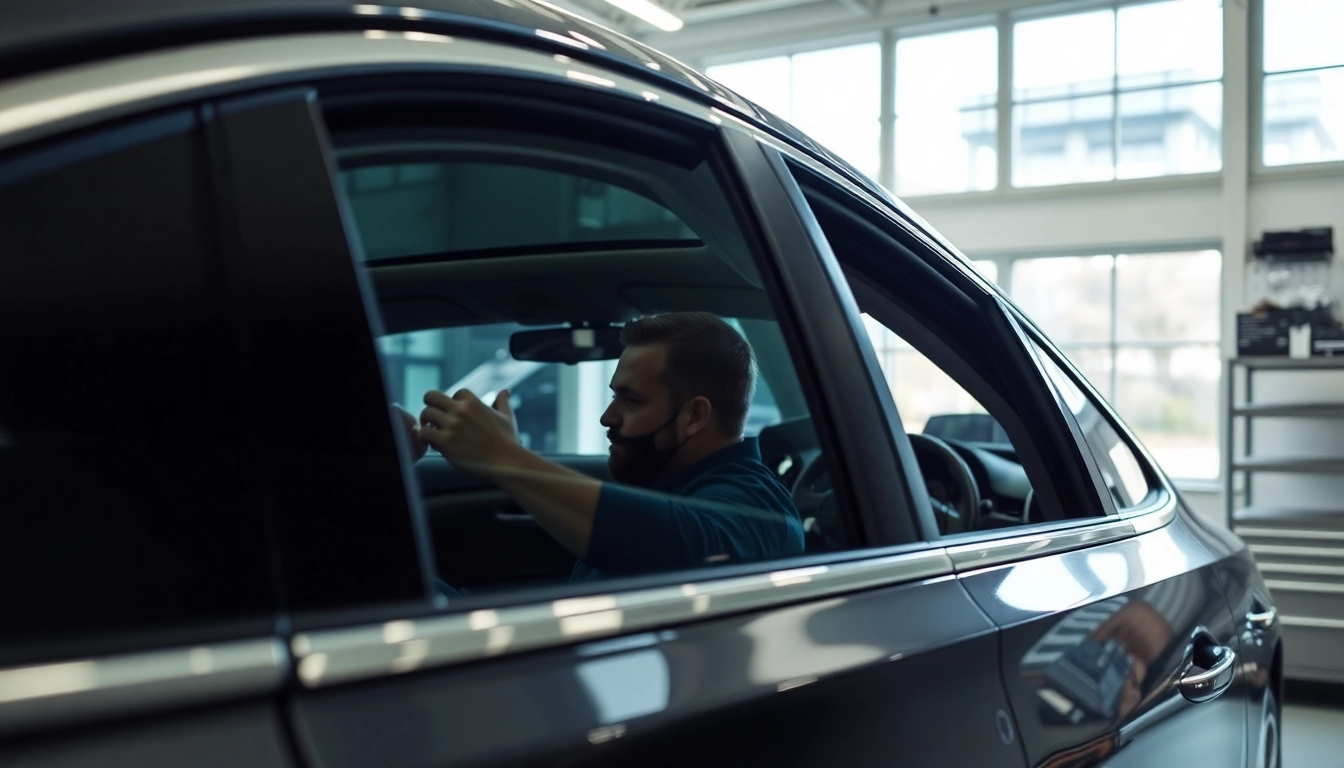
Understanding Auto Window Tinting
What is Auto Window Tint?
Auto window tinting involves applying a thin film to the windows of vehicles to darken them, diminish glare, and enhance privacy. This film is generally made from different materials, including dyed polyester, metalized, ceramic, or a combination thereof. Each kind serves distinct purposes, such as reducing heat, blocking harmful UV rays, and improving the vehicle’s aesthetics. The application process is a crucial aspect of auto window tinting, as its effectiveness largely relies on the precision with which it’s installed.
Benefits of Auto Window Tinting
Investing in auto window tinting provides multiple benefits that go beyond aesthetics. Primarily, tinted windows enhance driver comfort by reducing the sun’s glare and lowering interior temperatures. Notably, window tints can block up to 99% of harmful UV rays, protecting both occupants and the vehicle’s interior from premature wear and tear. Additionally, window tinting can enhance privacy and security since it makes it more challenging for outsiders to see into the vehicle. Another significant advantage is improved energy efficiency; lower cabin temperatures mean less reliance on air conditioning, promoting fuel savings.
Common Myths About Window Tinting
Despite its numerous advantages, there are several misconceptions about window tinting. One common myth is that all window tints are illegal or heavily regulated. In reality, laws regarding tint darkness and reflectivity vary by state and can often accommodate safe tinting options. Another misconception is that window tinting negatively affects visibility, while properly installed window tint actually enhances clarity by reducing glare. Lastly, many believe that tint fades over time; however, high-quality films are designed for durability and resistance to fading, ensuring a long-lasting appearance.
Choosing the Right Window Tint Film
Types of Window Tint Films
Understanding the different types of window tint films is essential in choosing the right one for your vehicle. Each film type offers unique benefits:
- Dyed window film: This film utilizes a layer of dye to absorb solar heat. While it is effective for privacy and aesthetic appeal, it may not provide the best UV protection.
- Metalized window film: This type contains tiny metallic particles that reflect heat and offer higher UV protection compared to dyed films. However, it can interfere with electronic signals.
- Ceramic window film: Known for its superior UV protection and heat rejection, ceramic films do not contain metal, reducing signal interference. They are often the most expensive option but provide excellent durability.
- Hybrid window film: Combining dyed and metalized film, hybrid options offer a balance of aesthetics, UV protection, and signal clarity.
How to Select the Best Film for Your Needs
Selecting the ideal window tint film requires assessing your priorities. Consider factors such as local regulations, desired aesthetics, and functionality. For instance, if privacy is essential, a darker film may be suitable, while those focused on UV protection may prefer ceramic films. Additionally, understanding the specific performance ratings of each film type can assist in making an informed decision. If unsure, consulting with professionals can provide tailored recommendations based on individual vehicle needs.
Legal Considerations for Window Tinting
Before committing to window tinting, it’s crucial to be aware of the legal framework surrounding it. Each state has distinct laws governing permissible tint levels for various windows of a vehicle. Violating these regulations may result in fines or the requirement to remove the tint. Hence, researching local laws is crucial to remain compliant. Additionally, window tint certificates can often be obtained from the installer, which helps in ensuring legal coverage.
Professional Installation vs. DIY
Benefits of Professional Installation
Opting for professional installation comes with significant advantages. Professionals have access to high-quality materials and equipment, ensuring a flawless installation that minimizes risks like bubbles or peeling. Moreover, many experienced installers offer warranties covering the work, adding further peace of mind. Their expertise ensures that tint meets local regulations for visibility, reducing the risk of potential legal issues in the future.
Risks of DIY Window Tinting
While DIY window tinting might seem appealing due to lower costs, it comes with numerous risks. Incorrect installation can lead to air bubbles, peeling edges, and poor visibility, which can compromise safety. Poor choice of film can also lead to fading, which diminishes aesthetic appeal and protection levels. Additionally, rectifying mistakes made during a DIY installation can incur higher costs than hiring a professional from the outset.
Cost Analysis: Professional vs. DIY
When it comes to cost, DIY tinting materials may appear more affordable upfront. However, the total expenditure can rise quickly when you factor in potential mistakes and the need for replacements. On the other hand, while professional installation carries a higher initial price, it often includes warranties and guarantees, representing a better long-term investment. Before deciding, prospective car owners should carefully evaluate their skills, budget, and the desired outcome.
Maintaining Your Window Tint
Best Practices for Tint Care
To extend the lifespan of your window tint, follow several maintenance guidelines. Initially, avoid rolling down windows for a few days after installation to allow the adhesive to set properly. When cleaning, use non-ammonia-based cleaners and a soft cloth to prevent damage. Regular inspections for bubbles or peeling around edges can also help catch issues early. Additionally, avoiding excessive exposure to direct sunlight can reduce the risk of fading.
Common Issues with Window Tint
While window tinting is generally durable, common issues can arise. Bubbles often occur due to trapped moisture or air during installation. Peeling edges can result from improper cleaning or inferior materials. Scratches may also develop from regular wear and tear, impacting the appearance and effectiveness of the tint. Monitoring these issues regularly can help maintain tint integrity and appearance.
When to Seek Professional Help
Whenever you notice irregularities such as extensive bubbling or peeling, it’s crucial to seek professional assistance. Attempting to fix these issues on your own may result in further damage, necessitating complete removal and reapplication. Furthermore, if tint clarity diminishes significantly, it might be time for replacement or upgrade, both of which are best handled by experts to ensure optimal results.
Finding Auto Window Tint Near Me
Using Local Search for Window Tint Services
Finding reliable auto window tinting services can be uncomplicated with local searches. Begin by using search engines with the keyword auto window tint near me, filtering results based on proximity, customer ratings, and services offered. Websites like Google Maps and Yelp can provide valuable insights and visuals of potential service locations.
Evaluating Local Tint Providers
After compiling a list of potential tinting providers, evaluating their qualifications is the next step. Look for customer reviews and past projects, assessing their experiences and levels of satisfaction. Confirm that the providers are licensed and insured to ensure professionalism. It might also be beneficial to visit the facilities personally, as discussing options directly can yield additional information on service quality and expertise.
Reading Customer Reviews for Best Options
Customer reviews play a pivotal role in understanding the reputation of local tint providers. Look for detailed feedback that includes references to product quality, service speed, and post-installation support. Social media platforms can also provide insights as customers share their experiences and before-and-after photos. Analyzing trends or recurring comments can help identify the best options available.
Frequently Asked Questions
1. How long does window tinting last?
High-quality window tint can last anywhere from 5 to 10 years with proper care, depending on the film type and installation quality.
2. Is window tinting illegal?
Window tinting laws vary by state; it’s essential to check local regulations to ensure compliance with permissible tint levels.
3. Can tinted windows reduce heat?
Yes, window tinting can significantly reduce heat buildup in the vehicle, improving comfort and lowering air conditioning usage.
4. Is DIY window tinting a good idea?
While DIY window tinting can save money, it often results in imperfect installations that can overlook legal requirements and quality.
5. How do I clean tinted windows?
Use a non-ammonia based cleaner and a soft cloth to clean tinted windows, avoiding abrasive materials that can scratch the film.

